How Long Does SEO Take? A Realistic 2026 Timeline
Most businesses see meaningful SEO results in 3–6 months, with significant gains at 6–12. Here's what actually happens at each stage — and what can speed or slow it.
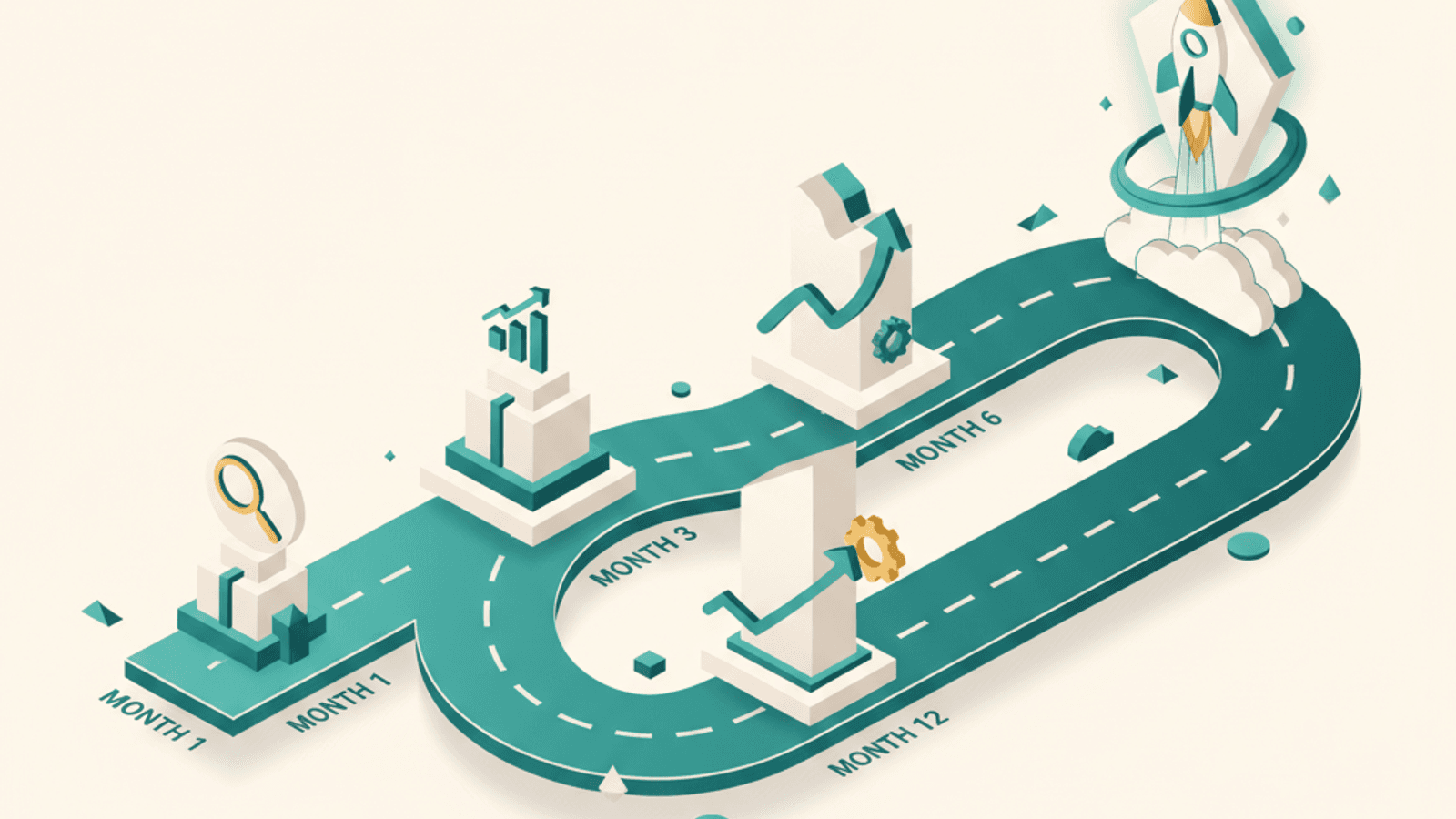
The most common reason businesses give up on SEO too early is a mismatch between expectations and reality. They expect results in weeks. SEO works in months.
This guide sets realistic expectations for how an SEO campaign progresses, what happens at each stage, what factors affect your specific timeline, and how 2026 algorithm behavior has changed the pace of results for many sites.
The Short Answer
For most businesses starting an SEO campaign in 2026:
- Months 1–2: Technical fixes, content foundation, no visible ranking movement
- Months 3–4: Early rankings on lower-competition terms, initial traffic lift
- Months 5–6: Meaningful keyword gains, measurable traffic growth, first conversion-quality visitors
- Months 7–12: Compounding growth, competitive keywords entering top 10, clear ROI trajectory
- Month 12+: Continued compounding; authority gains accelerate new content ranking faster
The "3–6 months" figure you often hear is real but incomplete. It describes when results begin, not when they peak. The best period for SEO ROI is typically months 12–24, after compounding authority kicks in.
Month by Month: What Actually Happens
Months 1–2: Foundation Building
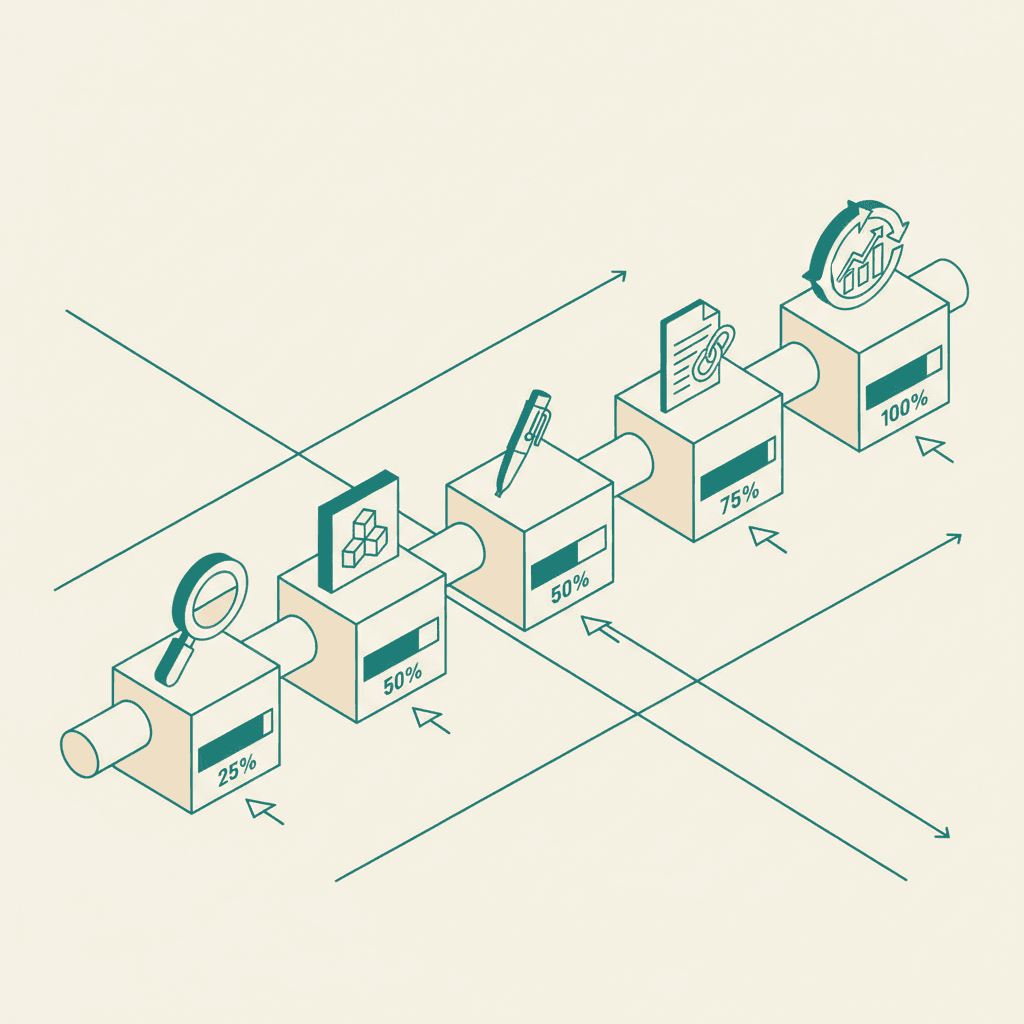
This phase feels like nothing is happening — and for rankings, not much is yet. The work being done in months 1–2 determines the ceiling for everything that follows.
Typical activities:
- Technical SEO audit and remediation (fixing crawl errors, indexing issues, site speed problems)
- Keyword research and topic mapping
- On-page optimization of highest-priority existing pages
- Competitor analysis and gap identification
- Content calendar creation
- Google Search Console and Analytics setup
Google needs time to re-crawl and re-index pages after changes. Technical improvements made in week 1 may take 3–6 weeks to be reflected in rankings.
Months 3–4: First Signals Emerge
This is when SEO campaigns typically show their first measurable evidence of working. Low-competition terms begin to rank. Pages that were on page 3 or 4 move toward page 2.
Typical signs of progress:
- New keywords appearing in Search Console
- Pages previously ranking 30–50 moving into the top 20
- Organic impressions increasing even before significant click volume
- First content pieces from the new calendar gaining indexed status
This phase is often when clients need the most reassurance. Ranking for low-volume terms that do not yet drive traffic is meaningful — it confirms the strategy is working and the domain is gaining relevance signals.
Months 5–6: Meaningful Traffic Begins
By month 5 or 6, well-executed campaigns typically produce noticeable organic traffic growth. A subset of target keywords are on page 1. Long-tail terms are generating real visits. First conversions from organic traffic often appear in this window.
This is also when you begin to see the compounding dynamic: pages with early rankings accumulate engagement signals that reinforce their position, and newer content starts ranking faster because the domain has built credibility.
Months 7–12: Competitive Keywords Come Within Range
The second half of the first year is where SEO investment pays off most visibly. Competitive keywords that were distant in months 1–4 are now within reach of page 1. Domain authority has grown enough to lift new content quickly. The gap between organic traffic and equivalent paid ad spend becomes measurable.
For many businesses, months 9–12 represent the point at which SEO becomes clearly cost-positive.
Month 12 and Beyond: The Compounding Advantage
After 12 months of consistent work, SEO builds a compounding advantage that becomes increasingly difficult for competitors to close. Each new piece of content ranks faster. Each earned backlink supports a broader range of pages. The organic traffic channel becomes a reliable, growing asset rather than an unpredictable experiment.
What Affects Your Timeline
The 3–6 month figure is an average. Your actual timeline will be faster or slower depending on several factors.
Factors That Speed Results
- Established domain with existing authority: sites that already have backlinks and history rank new content faster
- Low-competition niche or geographic focus: a local business in a mid-size city competes against fewer and weaker sites
- Strong technical health at the start: no crawl errors, fast loading, clean architecture
- High-quality content production: comprehensive, genuinely useful content earns engagement signals that accelerate ranking
- Active link building: new backlinks accelerate authority growth
Factors That Slow Results
- New domain: Google's "sandbox effect" causes new sites to rank slowly for their first 6–12 months regardless of content quality
- Highly competitive verticals: finance, insurance, law, and real estate have established players with years of authority that take longer to outcompete
- Technical debt: significant crawl errors, slow load times, or duplicate content issues require remediation before optimization can compound
- Infrequent content production: one blog post per month will always grow slower than four per month
How 2026 Algorithm Changes Affect the Timeline
Google's Helpful Content System
Google now applies a sitewide quality signal based on whether your content is classified as genuinely helpful. Sites that publish thin, AI-generated, or primarily SEO-motivated content can find that even their good pages rank poorly because the overall site quality signal is suppressed.
The practical implication: content quality decisions affect your entire site's ranking velocity, not just individual pages. A content audit and cleanup of low-quality pages can accelerate timeline considerably for sites affected by this signal.
Core Updates and Ranking Volatility
Google releases several major core algorithm updates each year. These updates can cause significant ranking fluctuations — sites moving up or down 10+ positions during and after an update. This is normal and not a sign that your SEO is broken.
Plan for volatility. Month-to-month ranking comparisons are less meaningful than 3-month or 6-month trend lines.
AI Overviews and Early Visibility
One positive shift in 2026: content cited in Google's AI Overviews can gain visibility before it earns traditional first-page rankings. A page ranking in positions 15–20 that is structured clearly enough to earn AI Overview citation may send meaningful traffic earlier than the traditional organic ranking timeline would suggest.
This is one reason why on-page SEO structure — clear headings, FAQ sections, direct answers to questions — matters more than ever in the early phases of a campaign.
Setting Realistic Expectations With Stakeholders
If you are presenting an SEO program internally or to clients, a reliable expectation-setting framework is:
- Month 3: evidence of progress (new rankings, improved crawl coverage, initial traffic signals)
- Month 6: measurable traffic growth and early conversion data
- Month 12: clear positive ROI trajectory
- Month 18–24: SEO as a reliable, growing acquisition channel
Promising faster results than this, or committing to specific ranking positions on specific dates, sets up disappointment. The honest timeline is a competitive advantage for agencies and consultants who set it clearly.
Understanding why the timeline works this way connects directly to what SEO is and how search engines actually build trust in a domain over time.
SEO vs. Paid Search for Speed
If you need leads or sales within the next 30–60 days, paid search (Google Ads) is the right tool. Paid campaigns can generate traffic on day one.
SEO and paid search are not mutually exclusive. Many businesses run paid campaigns while their SEO builds, then reduce paid spend as organic traffic grows. The benefits of SEO compound over time in a way that paid search cannot — but paid search fills the gap while organic matures.
If you are ready to start building long-term organic visibility, professional SEO services team can give you a realistic timeline based on your specific market and current site condition.
Results accelerate when SEO is paired with targeted link building from month one.
Businesses often run PPC campaigns alongside SEO to capture traffic while organic rankings build.
Teams using AI-powered SEO tools can compress some timeline stages through faster analysis.
Frequently Asked Questions
How long does SEO take for a new website?+
New websites typically take 6–12 months to see significant organic traffic because Google's sandbox effect delays authority accumulation for new domains. Focus on technical health, content quality, and earning initial backlinks in the early months.
Can I speed up SEO results?+
Within limits, yes. Publishing more high-quality content, earning backlinks faster, and fixing technical issues quickly can accelerate results. What you cannot do is shortcut Google's trust-building process — domain authority accumulates over time regardless of tactics.
How long do SEO results last?+
Well-earned SEO positions can hold for years with maintenance. Unlike paid ads, which stop the moment you stop paying, organic rankings persist and continue delivering traffic. Ongoing optimization is required to maintain positions as competitors improve, but established rankings have significant staying power.
What if I don't see results after 6 months?+
Review the work against the strategy. Is content being published consistently? Are technical issues resolved? Is link building active? If the work is being done but results lag, consider whether the niche is more competitive than anticipated or whether a technical issue (like an indexing problem) is suppressing progress.
Does SEO need to run forever?+
Ongoing investment delivers ongoing results. You can pause SEO, but positions will gradually erode as competitors continue optimizing. Most businesses find that maintaining a lighter "maintenance mode" retainer after an initial intensive phase delivers good returns relative to cost.