Best Social Media Platform for Your Business in 2026
Facebook, TikTok, Instagram, LinkedIn, YouTube, X — which platform is right for your business? A data-driven comparison for Philippine brands in 2026.

Choosing a social media platform is one of the first decisions a business makes when building a digital presence — and one of the most frequently gotten wrong. The instinct to be everywhere, combined with a vague sense that every platform is important, leads businesses to spread thin across five or six channels, producing mediocre content on each and seeing meaningful results on none.
The more effective approach is selection. Understanding what each major platform does well, who uses it in the Philippine context, and whether that audience matches the business's target customer turns platform selection from guesswork into strategy.
This guide examines the six platforms most relevant to Philippine businesses in 2026 — Facebook, Instagram, TikTok, LinkedIn, YouTube, and X (formerly Twitter) — across dimensions that matter: audience demographics, content formats, B2B versus B2C fit, and practical decision criteria.
Why Platform Selection Matters More Than Ever
Platform proliferation has accelerated. The average Filipino social media user maintains accounts on 7–9 platforms, but they concentrate their active time on 2–3. Marketing attention is scarce. Producing high-quality content that genuinely engages an audience requires significant time and creative resources. Dividing those resources across six platforms means investing adequately in none.
The decision framework should be driven by three questions:
- Where does the target audience spend active time (not just have accounts)?
- What content formats are most natural for the business?
- What is the primary business objective — awareness, consideration, conversion, or retention?
A broader social media presence sits within the larger ecosystem of social media marketing in the Philippines, where platform mix is one variable in a multi-channel strategy that also includes search, paid advertising, and earned media.
Facebook: The Default Platform for Philippine Consumers
Facebook is not optional for most Philippine businesses — it is the baseline. With over 90 million accounts in the country and deep penetration across age groups (including 35–65+, who are underrepresented on newer platforms), it remains the single channel that reaches the broadest cross-section of Filipino consumers.
Audience: All demographics, strongest 25–55. Both urban and provincial markets. All income brackets.
Content formats that perform: Video (especially Facebook Reels and Watch), Group content, and Facebook Marketplace listings. Static posts have seen significant reach compression over the past two years.
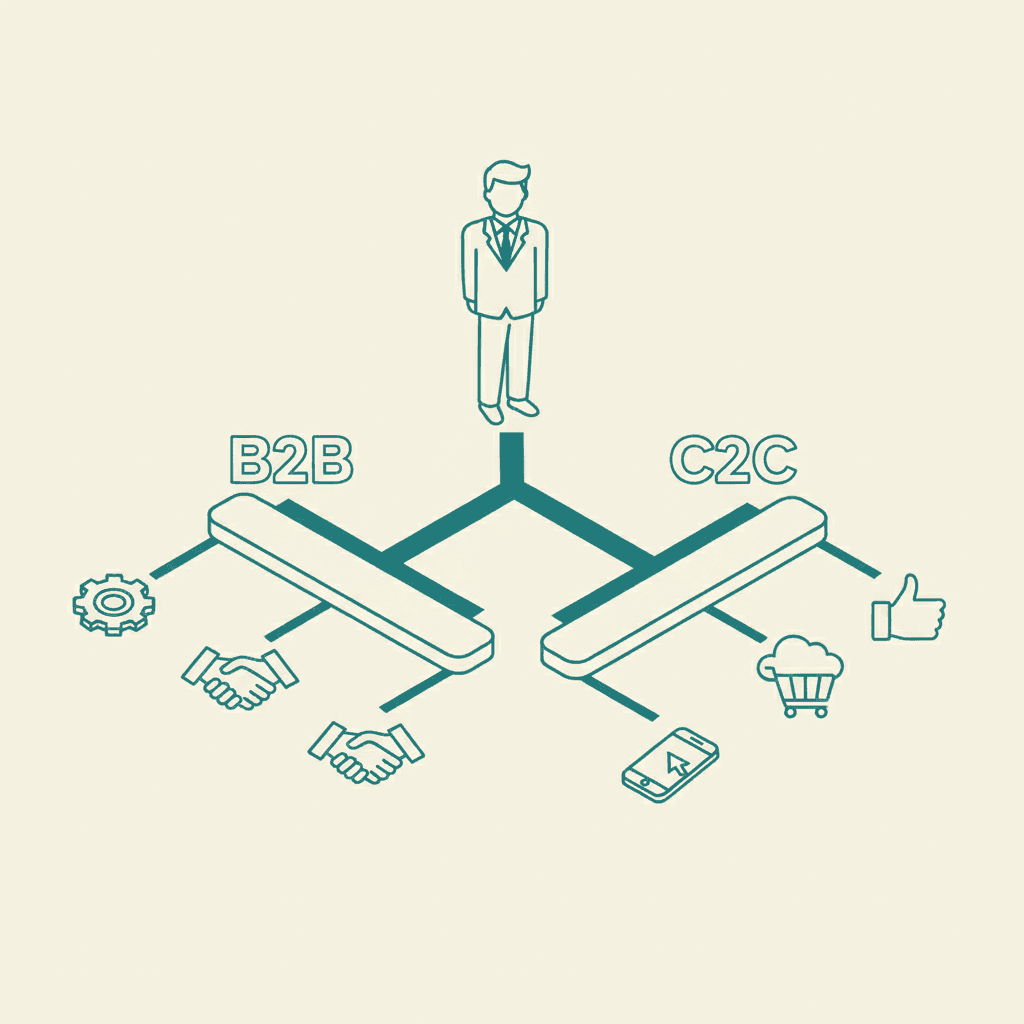
B2B or B2C? Primarily B2C, though local service businesses (legal, accounting, consultancies) find Facebook effective for generating leads from individuals. Pure B2B brands targeting corporate decision-makers find Facebook less efficient than LinkedIn.
When to prioritize Facebook: The business sells to consumers across a broad age range, has community-building potential (groups work particularly well for fitness, education, and retail brands), or needs a local market presence with Marketplace integration.
Paid advertising maturity: Facebook's ad platform is the most sophisticated available to Philippine businesses. Targeting by location, interest, behavior, and custom audiences (including lookalikes from existing customer lists) is granular enough to run highly efficient campaigns. Pairing organic content with paid Facebook campaigns compounds reach significantly.
Instagram: Aspiration and Authenticity
Instagram occupies a different psychological space from Facebook. It is more visual, more aspirational, and skews younger and more urban. Metro Manila, Cebu City, and Davao City are the densest markets on the platform in the Philippines.
Audience: 18–35 primarily, with growing 35–45 segment. Urban, higher income proxies. Strong female skew in fashion, beauty, and food categories.
Content formats that perform: Reels dominate reach. Stories drive daily engagement and direct messages. Carousels generate saves and profile visits. Static feed posts have substantially lower organic reach than two years ago.
B2B or B2C? Primarily B2C. Works exceptionally well for visual product categories: food and beverage, fashion, beauty, travel, home décor, fitness, and lifestyle. Service businesses can succeed here but need to invest more in visual storytelling.
When to prioritize Instagram: The business has strong visual product-market fit, the target customer is 18–40 urban, and there is capacity to produce consistent Reels content. Also valuable for influencer partnerships — micro-influencers on Instagram typically drive higher engagement-to-follower ratios than mega-influencers.
The platform's mobile-first nature means that brands using Instagram as a traffic driver need websites that are optimized for mobile users — slow-loading or non-mobile-optimized sites waste every click the algorithm generates.
TikTok: The Discovery Engine
TikTok's transformation from entertainment platform to commerce engine is the most significant social media development of the past three years in the Philippines. TikTok Shop has made the platform a direct-to-consumer sales channel, and the algorithm's ability to surface content to non-followers remains unmatched.
Audience: 16–35 predominantly, but growing 35–50 segment as the platform ages. Nationwide reach with strong provincial penetration — TikTok has broad reach outside Metro Manila in ways Instagram does not.
Content formats that perform: Short-form video (15–60 seconds) drives discovery. Longer videos (3–10 minutes) work for educational and tutorial content. Live shopping events are growing rapidly for product-based businesses.
B2B or B2C? Primarily B2C, particularly for physical products in food, beauty, fashion, electronics, and home categories. B2B brands in education, SaaS, and professional services are finding an audience among younger decision-makers, but conversion paths are less direct.
When to prioritize TikTok: The business sells physical products with broad consumer appeal, has the capacity to produce consistent authentic video content, and wants access to in-app commerce. Also valuable for building brand awareness at lower cost-per-thousand than Facebook for audiences under 35.
LinkedIn: The B2B Powerhouse
LinkedIn is the most underutilized platform by Philippine businesses relative to its potential. The Philippine B2B ecosystem is growing rapidly — startup funding, corporate procurement modernization, and the expansion of shared services have created a professional class that is highly active on LinkedIn.
Audience: Professionals 25–55. Decision-makers, managers, and C-suite across industries including BPO, finance, tech, healthcare, real estate, and professional services.
Content formats that perform: Text posts with strong first-line hooks drive engagement. Video content is growing rapidly and currently benefits from algorithmic favoritism. Long-form articles establish thought leadership. Document posts (carousels) generate high save rates.
B2B or B2C? Exclusively B2B for most use cases. LinkedIn excels when the sales cycle is long, the deal size is significant, and the buyer is a professional rather than a consumer.
When to prioritize LinkedIn: The business sells to other businesses, the decision-maker is a professional or executive, and the sales cycle benefits from relationship-building and thought leadership. Accounting firms, law practices, SaaS companies, staffing agencies, and training providers in the Philippines are seeing strong results.
YouTube: The Search-Social Hybrid
YouTube is both a social platform and the world's second-largest search engine. In the Philippines, YouTube viewership per capita is among the highest in Southeast Asia. The platform rewards depth and consistency in ways that shorter-form platforms do not.
Audience: Broad — 13–65+. Unlike most platforms, YouTube reaches older demographics effectively. Strong across income levels and regions.
Content formats that perform: Educational tutorials (10–20 minutes), entertainment and vlogs, product reviews and comparisons, documentary-style brand content.
B2B or B2C? Both, depending on content type. B2C brands build audiences with entertainment and lifestyle content. B2B brands succeed with educational and how-to content that ranks in YouTube search.
When to prioritize YouTube: The business can produce consistent long-form video content, the subject matter lends itself to in-depth exploration, and there is a search volume for topics the brand can address authoritatively. The SEO crossover is significant — a well-optimized YouTube video can appear in both YouTube search and Google search results.
X (Twitter): Niche but Valuable
X has lost ground in the Philippines since its 2022 rebrand and policy changes, but it retains a distinct audience of journalists, politicians, tech professionals, and cultural commentators. It is not a mass-market platform here, but for specific sectors it remains valuable.
Audience: 18–40, urban, high education and income proxies. Media, politics, tech, and entertainment skew heavily.
When to prioritize X: The business needs to engage in real-time public conversations, is in tech or media, or wants direct access to journalists and influencers who are active there. For most Philippine businesses, X is a lower priority than the five platforms above.
The Decision Framework
Rather than choosing a single platform, most businesses should select a primary platform and one or two secondary platforms based on this framework:
Primary platform criteria:
- Audience demographics match the core customer profile
- The business can realistically produce the dominant content format (video, written, visual)
- Platform dynamics align with the primary business objective (awareness, conversion, retention)
Secondary platform criteria:
- Complements the primary platform's weaknesses
- Allows content repurposing from the primary platform
- Provides access to audience segments the primary platform underserves
A B2C consumer goods brand might choose TikTok as primary (discovery and commerce) and Instagram as secondary (aspiration and community). A professional services firm might choose LinkedIn as primary (B2B lead generation) and YouTube as secondary (thought leadership content). A local restaurant might choose Facebook as primary (community and local awareness) and Instagram as secondary (food photography and influencer reach).
This selection process sits alongside decisions about paid advertising platforms and professional social media management, which determine how organic platform choices get amplified with budget.
Content Format Considerations
Platform selection and content format are inseparable. Producing content in the wrong format for a chosen platform — writing long captions on TikTok, posting static images to a platform rewarding Reels, or sharing informal content on LinkedIn — wastes the reach even quality content might otherwise generate.
Mapping platform to content format:
Platform — Primary Format — Secondary Format
Facebook — Short video, Groups — Text + image posts
Instagram — Reels — Stories, Carousels
TikTok — Short video, Live — Long-form video
LinkedIn — Text posts — Video, Documents
YouTube — Long-form video — Shorts
X — Text threads — Images, video clips
For brands investing in multiple platforms, content repurposing — creating once and adapting — is the production efficiency lever that makes multi-platform presence sustainable. A 10-minute YouTube video becomes a TikTok clip, a LinkedIn carousel, and a Facebook post with minimal additional production.
Understanding how these platforms intersect with organic search and measuring the ROI of social efforts are the next steps once platform selection is made.
Frequently Asked Questions
Should a small Philippine business be on multiple social media platforms?+
Most small businesses are better served by doing one or two platforms excellently than five platforms poorly. Start with the platform where the target customer is most active, build a consistent presence there, and expand only when there is capacity to maintain quality across additional channels.
Is Facebook still worth investing in for Philippine businesses in 2026?+
Yes, particularly for consumer-facing businesses. Facebook's reach across all demographics — especially 35+ Filipinos who are underrepresented on TikTok and Instagram — makes it the default choice for broad market reach. The organic reach for Pages has declined, but it remains the most efficient paid advertising platform for most Philippine B2C categories.
Which platform is best for B2B marketing in the Philippines?+
LinkedIn is the strongest B2B platform for professional services, SaaS, and corporate sectors. For local B2B businesses (suppliers, contractors, service providers), Facebook Groups can also be effective because many Philippine business owners conduct purchasing research there.
How do audience demographics differ across platforms in the Philippines?+
TikTok and Instagram skew 16–35 and urban. Facebook reaches 18–65+ across urban and provincial markets. LinkedIn is 25–55, professional, and urban. YouTube reaches the broadest demographic range. These are generalizations — actual audience data from platform Insights tools for each account will provide more precise local information.
Can social media marketing work for local businesses outside Metro Manila?+
Absolutely. Facebook is particularly effective for provincial markets — local groups, Marketplace, and community pages are active in cities like Davao, Cebu, Cagayan de Oro, and General Santos. TikTok also has strong provincial reach. LinkedIn and Instagram have thinner audiences outside major urban centers.