Social Media Marketing in PH: A 2026 Strategy
Filipinos spend 4+ hours daily on social media. Here's how brands can build a winning strategy across Facebook, TikTok, Instagram, and LinkedIn in 2026.
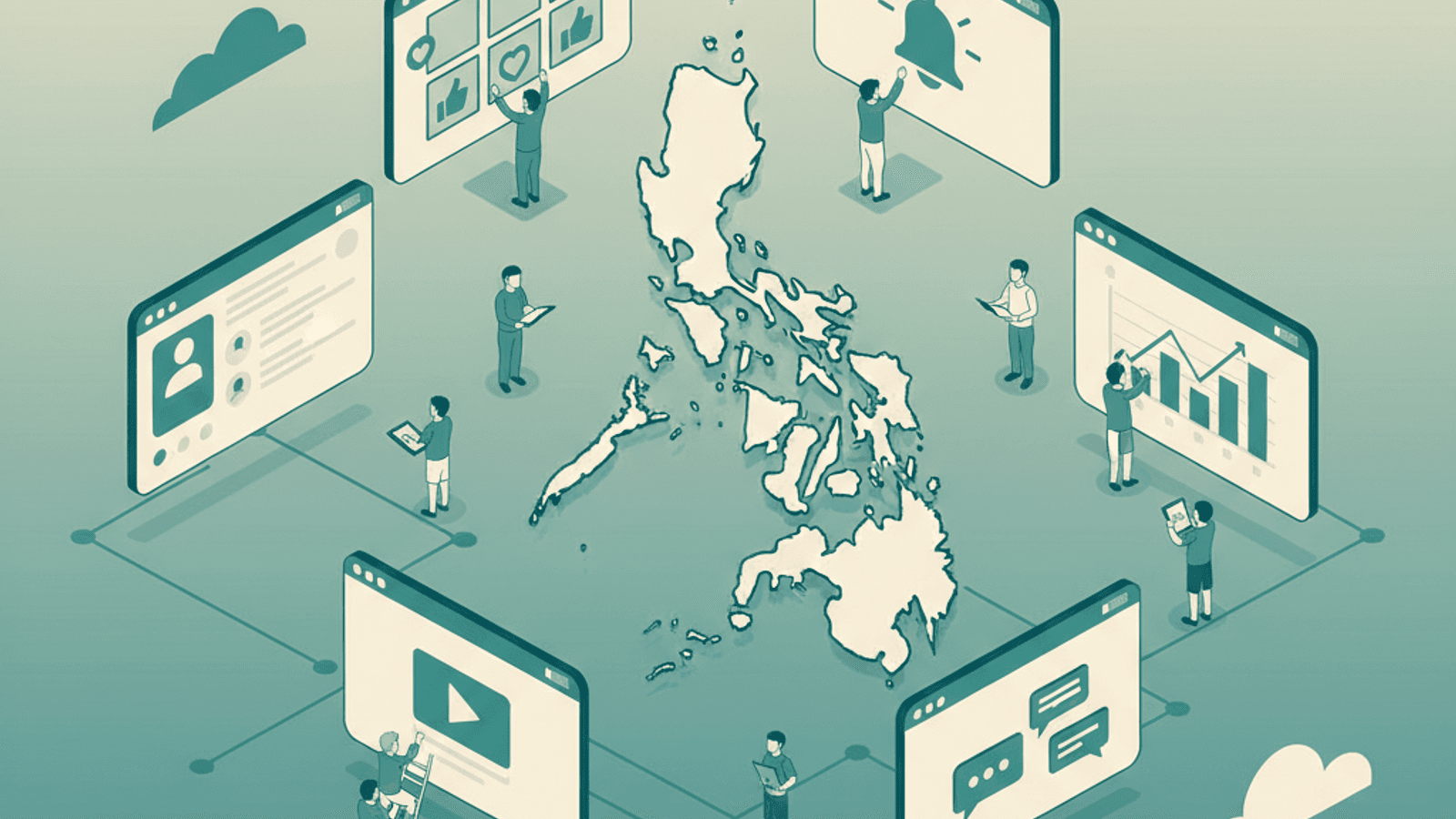
The Philippines has long held its place as one of the world's most digitally social countries. In 2026, the average Filipino spends over four hours per day on social media — a figure that has remained stubbornly high even as attention fragments across more platforms. For businesses operating in the archipelago, that number is not a statistic to cite in a deck. It is the single most important media fact shaping where marketing budgets should go.
This guide breaks down the Philippine social media landscape as it stands in 2026, examines platform dynamics, and outlines a practical content and paid strategy that connects social activity to measurable business outcomes. Whether a brand is starting from scratch or optimizing an existing presence, understanding the local context is essential before any tactical decisions get made.
Understanding the Philippine social media landscape first requires grounding in what SEO is and why digital visibility matters — because social and search are no longer separate disciplines. Algorithms now factor in engagement signals, branded search volume, and social proof when determining organic rankings.
The Philippine Social Media Landscape in 2026
Facebook remains the dominant platform in the Philippines by a significant margin. With over 90 million active accounts in a nation of 115 million people, it functions less like a social network and more like the internet itself for many Filipinos. Groups, Marketplace, and video content drive the bulk of engagement. Brands that treat Facebook as a broadcast channel — posting without engaging — consistently underperform those that lean into community-building mechanics.
TikTok's growth in the Philippines has been exceptional. From a platform associated with Gen Z entertainment, it has matured into a commerce and discovery engine. Filipino creators drive disproportionate engagement compared to audiences of similar size in other markets, and TikTok Shop's expansion has blurred the line between content and conversion. Brands in FMCG, beauty, food, and fashion are seeing direct attribution from TikTok at volumes that were unimaginable three years ago.
Instagram sits at the intersection of aspiration and authenticity in the Philippine market. It skews younger and more urban, with Metro Manila, Cebu, and Davao representing the densest concentrations of active users. Reels have redistributed reach away from static posts, and branded content partnerships with micro-influencers (10k–100k followers) consistently outperform celebrity endorsements in terms of cost-per-engagement.
LinkedIn is growing faster in the Philippines than most marketers expect. The platform's user base here is still smaller than the consumer platforms, but the audience quality for B2B brands is unmatched. Professional services firms, SaaS companies, HR platforms, and educational institutions are finding LinkedIn the most efficient channel for lead generation among decision-makers.
YouTube occupies a unique position: it is both a social platform and a search engine. Filipinos consume YouTube content at some of the highest per-capita rates in Southeast Asia. Long-form content, vlogs, and educational series perform particularly well, and the platform's integration with Google search means that YouTube optimization overlaps significantly with broader SEO benefits.
Platform Strategy: Choosing Your Battlegrounds
Not every brand needs to be on every platform. The instinct to maintain a presence everywhere dilutes resources and produces mediocre content across the board — which is worse than no content at all.
A useful framework is to classify platforms by their primary function for the brand:
Awareness platforms are where audiences discover brands for the first time. In the Philippine context, TikTok and YouTube dominate this function for consumer brands. Facebook Groups and organic posts serve awareness for community-driven businesses. The content here prioritizes entertainment, education, or relatability over conversion.
Consideration platforms are where audiences evaluate brands before purchasing. Instagram and Facebook Pages function here — product showcases, testimonials, behind-the-scenes content, and comparison posts help prospects move down the funnel. LinkedIn occupies this space for B2B, where thought leadership content positions brands as credible partners.
Conversion platforms are where purchase decisions happen. TikTok Shop, Facebook Marketplace, and Instagram Shopping are making in-app commerce increasingly standard. Brands that have built trust on awareness platforms and nurtured leads on consideration platforms will see conversion rates that justify the full-funnel investment.
Pairing an organic social presence with paid social and PPC campaigns accelerates this funnel significantly. Organic builds the audience; paid reaches the right audience at the right moment. These two are not substitutes — they compound.
Content Strategy: What Works in the PH Market
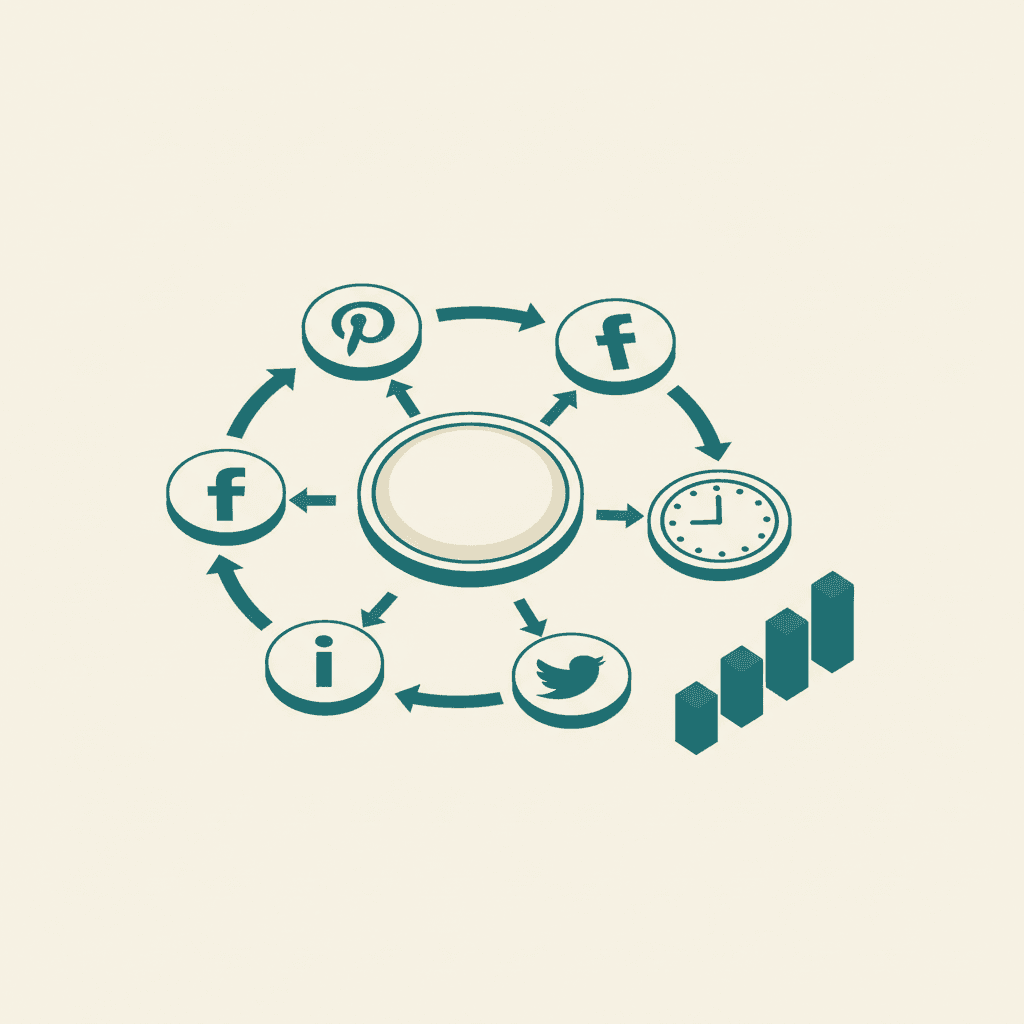
Content that resonates in the Philippine market shares a few consistent characteristics.
Emotional resonance over product features. Filipino consumers respond strongly to content that connects to family, community, and aspiration. Brands that lead with product specifications tend to underperform those that frame their offering around how it improves relationships or enables achievement.
Tagalog-English code-switching (Taglish). The Philippines is a bilingual market, and the most authentic content reflects how people actually speak. Captions, scripts, and copy that blend Tagalog and English in natural proportions consistently outperform purely English or purely Tagalog content in engagement metrics. This is particularly true on TikTok and Facebook.
Short-form video as the default. Across every platform, video content generates the highest reach and engagement. This does not mean every brand needs a production studio. Smartphone-shot content with good lighting and a clear script outperforms expensive but stilted brand videos. Authenticity signals trust, and trust drives action.
Localized community engagement. Filipinos engage more with brands that demonstrate they understand the local context — referencing local events, seasons (summer heat, typhoon season, Christmas), and regional identities (Bisaya pride, Kapampangan food culture, Ilocano practicality). Generic Southeast Asian content that could apply to any market performs poorly against locally specific content.
Consistency over virality. The algorithm rewards accounts that publish regularly more than those that go viral once and disappear. A publishing cadence of 3–5 posts per week across primary platforms is sustainable and compounds over time. Chasing viral moments as a core strategy is a distraction from building a durable presence.
Brands investing in a professional social media management strategy tend to see compound returns from this consistency — the first three months build the foundation, and months six through twelve are where meaningful business outcomes materialize.
Paid vs. Organic: The Right Balance
The debate between paid and organic social media is largely a false dichotomy. The question is not which one to use — it is how to allocate resources between them at a given stage of growth.
For brands with small audiences and established products, paid social is the fastest way to reach qualified prospects. Meta's targeting capabilities in the Philippines are sophisticated enough to reach audiences by location (down to barangay level), income proxies, interests, and behavioral signals. A well-structured Facebook or Instagram campaign can generate qualified traffic within 48 hours of launch.
For brands with larger audiences and content that drives engagement, organic reach on TikTok and YouTube still offers real amplification potential. A video that catches the algorithm's attention can reach hundreds of thousands of non-followers without a peso of paid spend. This free amplification is rarer on Facebook and Instagram, where organic reach for Pages has compressed significantly over the past three years.
The practical approach for most Philippine businesses is a 70/30 split that favors paid in the early stages and shifts toward organic as brand recognition grows. Retargeting engaged social audiences with conversion-focused paid ads bridges the gap between awareness and purchase.
Measuring Social Media ROI
Social media metrics fall into two categories: vanity metrics that feel good but tell you little, and business metrics that connect social activity to revenue. The former includes follower counts, impressions, and raw likes. The latter includes leads generated, cost per acquisition, revenue attributed to social traffic, and customer lifetime value from social-acquired customers.
Attribution is the hard problem. A customer who saw a TikTok video, searched the brand name on Google, clicked a Facebook retargeting ad, and then visited the website directly before purchasing has touched multiple channels. Last-click attribution would credit the direct visit and completely ignore social's role. Multi-touch attribution models — particularly data-driven attribution available in GA4 — give a more accurate picture.
Brands serious about this also benefit from regular SEO reporting frameworks that capture organic search volumes for branded terms. A rising branded search volume is one of the clearest signals that social media activity is building brand awareness — because people who saw the brand on TikTok will search for it by name before converting.
Protecting and growing that brand reputation online also connects to online reputation management. Social media is where brand crises start and where they are resolved. A proactive social presence is simultaneously a reputation management tool.
2026 Trends Reshaping Philippine Social Media
Several forces are reshaping the landscape this year.
AI-generated content disclosure. Philippine audiences are increasingly skeptical of content that feels artificially produced. Platforms are testing AI content labels, and brands that are transparent about their production process tend to maintain higher trust scores.
Creator commerce acceleration. TikTok Shop and Instagram Shopping have compressed the discovery-to-purchase journey from weeks to minutes. Brands that build strong creator partnerships and have product pages optimized for in-app conversion are capturing this shift.
LinkedIn professionalization. The Philippine startup and SME ecosystem is growing, and LinkedIn has become the primary channel for B2B relationship-building. Video content on LinkedIn — particularly founder-led content — is generating engagement rates that rival consumer platforms.
Short-form dominance, but long-form revival. YouTube's long-form content is seeing a resurgence as audiences seek depth alongside the scroll. Brands that can produce 10–20 minute educational or documentary-style content are building the kind of authority that short-form cannot replicate.
Social search. Younger Filipinos are increasingly using TikTok and Instagram as search engines — discovering restaurants, products, and services by searching within the app rather than turning to Google. This makes keyword thinking relevant to social content strategy in a way that was not true two years ago.
Building a 2026 Philippine Social Media Strategy
A practical strategy for 2026 follows a sequence: audit, focus, create, distribute, measure, iterate.
The audit examines where the brand's audience actually spends time, what competitors are doing well, and where there are content gaps. Focus means selecting two or three primary platforms based on audience fit and business objectives rather than spreading thin across six. Creation is disciplined — a documented content calendar, clear brand voice guidelines, and a production workflow that can sustain 52 weeks of output. Distribution includes both organic publishing and a paid amplification budget. Measurement is built on business metrics, not vanity. And iteration means reviewing performance monthly and doubling down on what works.
For brands also building their search presence, understanding how social activity integrates with paid advertising through PPC and earned visibility through organic social media strategy creates a unified digital marketing operation rather than a collection of disconnected tactics.
The Philippine social media environment in 2026 rewards brands that show up consistently, speak authentically, and build genuine community. The algorithms will change. The platforms will evolve. But the fundamentals of human connection — relevance, trust, and value — remain constant.
For deeper breakdowns of individual platforms, the guides on choosing the best social media platform for your business, measuring social media ROI, and Instagram marketing for Philippine brands provide platform-specific frameworks.
Frequently Asked Questions
How much should a Philippine business budget for social media marketing?+
For small-to-medium businesses, a starting budget of ₱30,000–₱80,000 per month covers a basic content production and paid amplification setup. Larger brands typically invest ₱150,000–₱500,000 monthly. The split between content creation and paid distribution depends on audience size and campaign objectives.
Which social media platform has the most users in the Philippines?+
Facebook remains the largest platform by active user count, with over 90 million accounts. However, TikTok has the highest engagement rates per post, and YouTube has the longest average session times. Platform selection should be driven by where the target audience is active, not raw user numbers.
How long does it take to see results from social media marketing?+
Organic social media typically shows meaningful engagement growth after 3–6 months of consistent publishing. Paid social can generate results within days but requires ongoing budget to sustain. The most durable results come from combining both over a 12-month horizon.
Is Tagalog or English more effective for Philippine social media content?+
Neither exclusively — the most effective content uses Taglish, the natural code-switching blend of Tagalog and English that mirrors how Filipinos actually communicate. Platform matters too: TikTok content tends toward more Tagalog, while LinkedIn content skews more English.
How do Philippine brands handle influencer partnerships on social media?+
Micro-influencers (10,000–100,000 followers) typically offer the best return on investment for Philippine brands. They have higher engagement rates and more loyal audiences than mega-influencers, and their fees are substantially lower. Authenticity is the key selection criterion — the influencer's audience should organically align with the brand's target customer.